
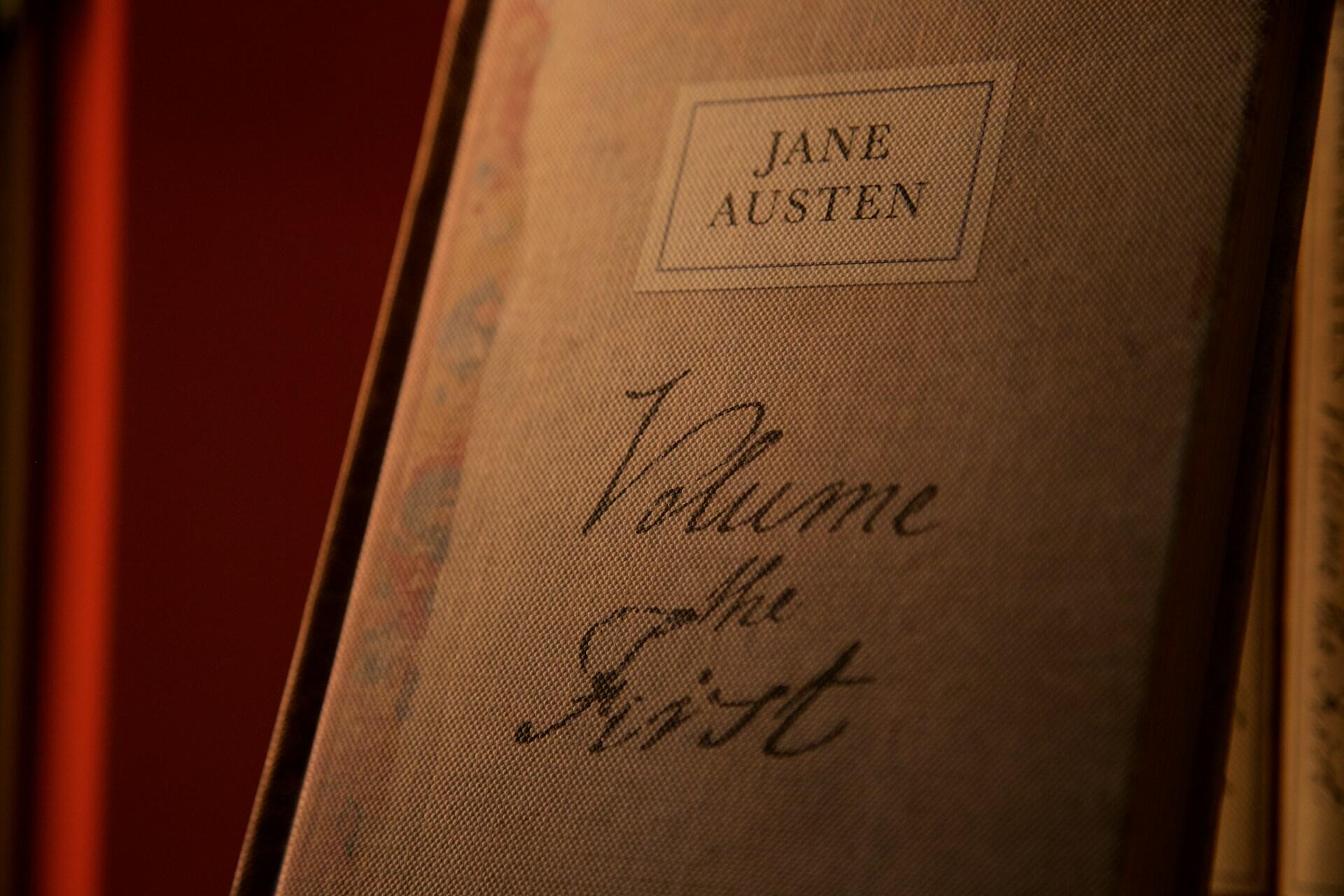

It is a truth universally acknowledged, that every single Jane Austen fan must be in want of a good Austen adaptation. With new adaptations of Sense and Sensibility and Pride and Prejudice arriving this year, ardent fans are in for a treat as her stories make their way from the pages to the screen. 1
What's so special about Jane Austen? Why do her stories continue to endure and amaze? Perhaps the answer lies in her masterfully crafted observations and dialogues, which highlight universal truths about romance, irony, and human nature.

Most Famous Jane Austen Quotes
First, let's start with Austen's most widely recognised lines across all six novels.
It is a truth universally acknowledged, that a single man in possession of a good fortune, must be in want of a wife.
Jane Austen, Pride and Prejudice, 1813
Meaning
- This is the opening sentence of the novel that highlighted the arrival of the wealthy Mr Bingley.
- It reflected society's expectation of the importance of marriage and wealth: a single, wealthy man should have a wife.
Significance
- It's especially important for the Bennet family, as they have five daughters who will not inherit anything once their father is dead.
- Austen is setting the stage for what's about to happen: finding a match for Mr Bingley out of one of the Bennet sisters.
If I loved you less, I might be able to talk about it more.
Jane Austen, Emma, 1815
Meaning
- One of the most earnest love declarations of all time, where Mr Knightley finds himself unable to speak more because he loves Emma so much.
Significance
- Austen showed another dimension of Knightley's character, where he was usually bold and eloquent.
- Sometimes the best love declarations are not the bold and long, dramatic ones. It could be short but deep, like this example.
You pierce my soul. I am half agony, half hope.
Jane Austen, Persuasion, 1817
Meaning
- Perhaps the most famous letter confession of all time, Captain Wentworth finally revealed he is still hoping for a second chance with Anne Elliot after she broke their engagement eight years ago.
Significance
- This quote is the epitome of how valuable and heart-wrenching a second chance in love can be, and when you get it again, you must never let it go.
Discover some of the best and iconic quotes from Oscar Wilde.
Jane Austen Quotes About Love, Romance & Marriage
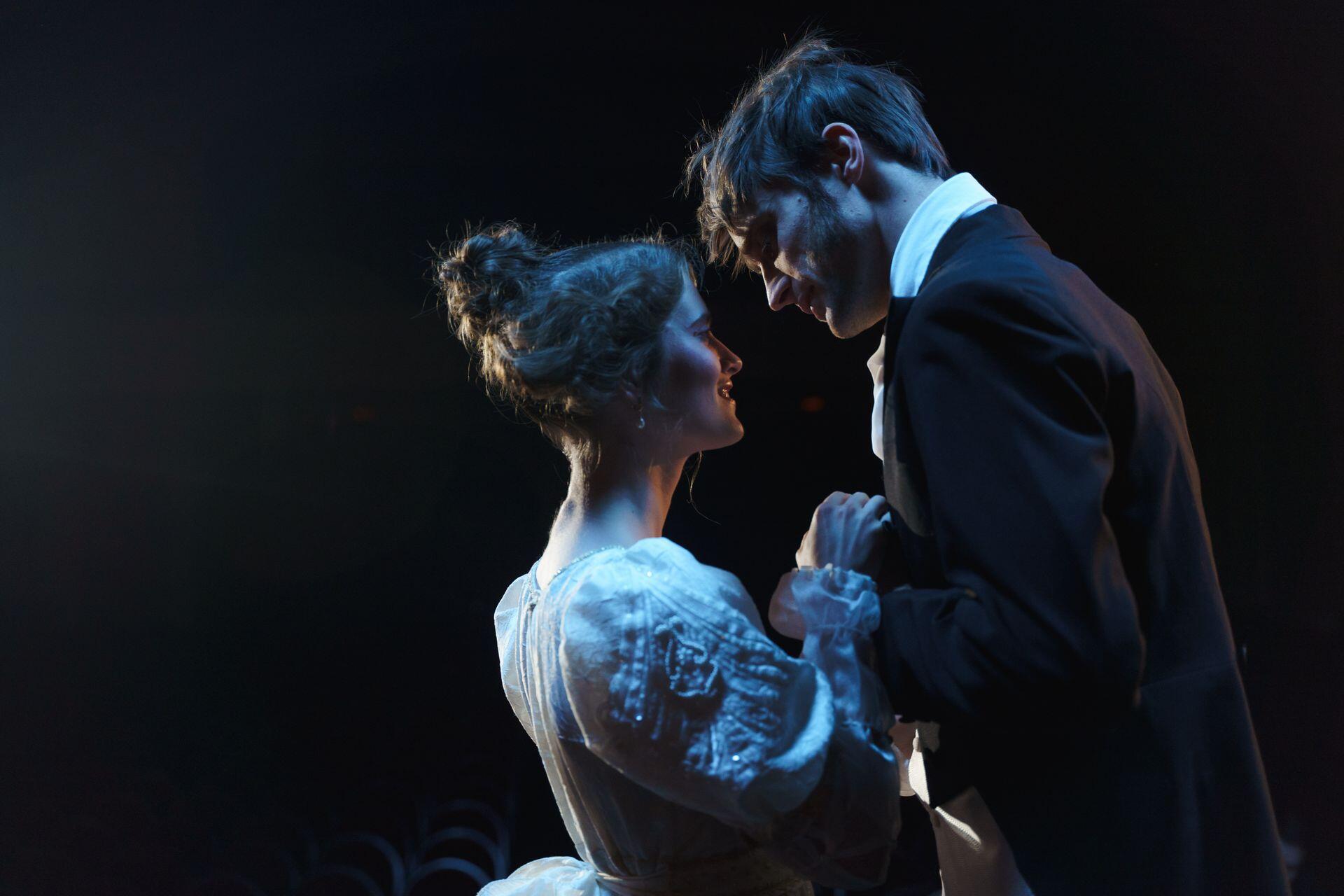
Nobody could ever come close to describing the world of courtship and matrimony in such a vivid yet realistic way as Jane Austen. Her quotes about love and romance still strike a chord among readers after so long, especially in terms of emotional resonance. 2
There is no charm equal to tenderness of heart.
Jane Austen, Emma, 1815
Meaning
- What makes a good quality in love and relationships is always tenderness in character instead of external traits like wealth, beauty, or status.
Significance
- Austen is trying to highlight that a person's true attractiveness lies in their character, instead of their social standing.
- The line occurs within Emma's reflections about Harriet and the people around her.
My affections and wishes are unchanged; but one word from you will silence me on this subject for ever.
Jane Austen, Pride and Prejudice, 1813
Meaning
- Here, Mr Darcy's second proposal reassures Elizabeth that he still loves her, but this time, he recognises her freedom to reject him.
Significance
- The fact that Darcy swallowed his pride and proposed a second time also meant that he loved her more than the fear of being rejected again!
A lady’s imagination is very rapid; it jumps from admiration to love, from love to matrimony in a moment.
Jane Austen, Pride and Prejudice, 1813
Meaning
- The speaker, Mr Darcy uses a witty metaphor to describe how admiration can be taken as a sign of an impending marriage.
- He was responding to Miss Bingley, who teased him about the possibility of becoming related to the Bingley family through Jane and Charles’s relationship.
Significance
- It's Darcy's observation and reflection on how even a small gesture or admiration from a man can be misinterpreted by the fellow ladies in a marriage-focused society.
You might want to learn more about the beautiful and empowering words of Maya Angelou about femininity.
Jane Austen Quotes About Life, Wit & Human Nature
Seldom, very seldom, does complete truth belong to any human disclosure.
Jane Austen, Emma, 1815
Meaning
- It's not the norm for people to tell the complete truth when they communicate with others, especially when revealing their true thoughts, motives or feelings to another person.
Significance
- Sometimes, we are not always reliable interpreters of our own experience.
- It does not mean that we deliberately want to lie, but what we choose to reveal could be influenced by many factors like memory, self-interest or emotions.
The person, be it gentleman or lady, who has not pleasure in a good novel, must be intolerably stupid.
Jane Austen, Northanger Abbey, 1817
Meaning
- The speaker, Mr Tilne, is advocating for the pleasure of reading fiction for everyone, both male and female, during a conversation on reading with Catherine Morland and his sister, Eleanor Tilney.
Significance
- This quote emphasises the importance of reading fiction and novels, where it's meant to be a great literary experience for everyone.
Selfishness must always be forgiven, you know, because there is no hope of a cure.
Jane Austen, Mansfield Park, 1814
Meaning
- The speaker, Mary Crawford, is trying to use wit to excuse her bad behaviour, implying that her selfishness should be forgiven because it's "incurable".
Significance
- This was Austen's way of poking fun at human weakness and social manners
- You could admit your mistakes, but you are still inconsiderate of their effects on other people
Discover some Shakespearean wit through these quotes.
Jane Austen Quotes by Novel
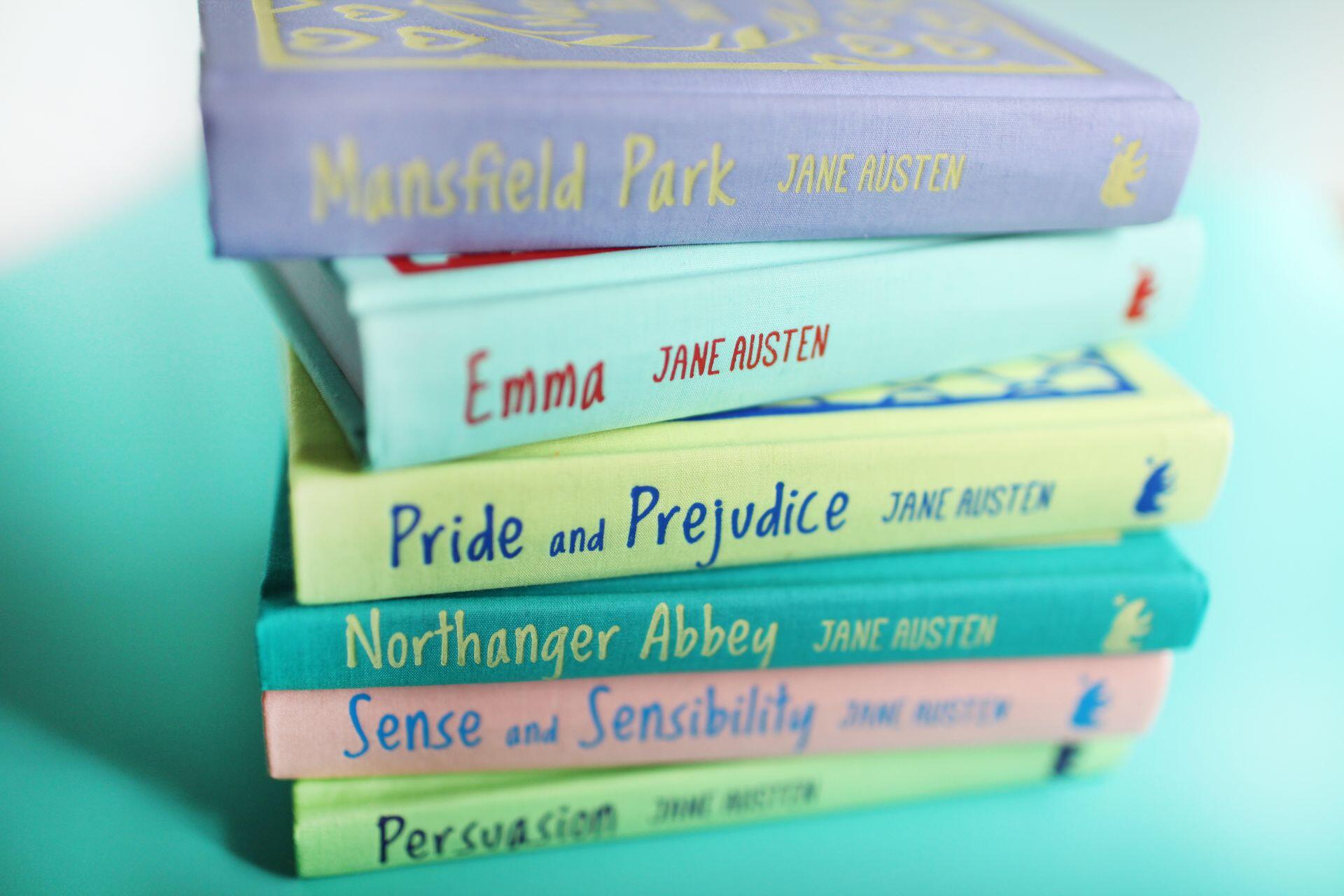
Throughout her lifetime, Jane Austen completed six novels, as follows:
| Novel | Publication year | Project Gutenberg link |
|---|---|---|
| Pride and Prejudice | 1813 | Pride and Prejudice |
| Sense and Sensibility | 1811 | Sense and Sensibility |
| Mansfield Park | 1814 | Mansfield Park |
| Emma | 1815 | Emma |
| Persuasion | 1817 | Persuasion |
| Northanger Abbey | 1817 | Northanger Abbey |
Pride and Prejudice
Till this moment I never knew myself.
Jane Austen, Pride and Prejudice, 1813
Meaning
- The speaker, Elizabeth Bennet realises her judgement towards Mr Darcy and Mr Wickham has been clouded by her own pride and also prejudice.
- She believed herself to be perceptive and wise, but she was wrong.
Significance
- This was a major turning point in the novel where Elizabeth recognises her real mistake after reading Mr Darcy's letter.
- She was too certain of her ability to judge correctly and eventually accepted that her perception towards others (especially Mr Darcy) was limited.
Sense and Sensibility
It is not time or opportunity that is to determine intimacy; it is disposition alone.
Jane Austen, Sense and Sensibility, 1811
Meaning
- Marianne Dashwood, the speaker, argues that true intimacy in a relationship is determined by a person's character or temperament rather than the duration of knowing each other.
Significance
- Marianne strongly believes emotional connection is something felt intensely and instinctively, especially when she regards her relationship with John Willoughby, whom she met briefly.
- However, the novel shows that while similar temperament may create closeness, only time will reveal a person's true character.
Emma
Human nature is so well disposed towards those who are in interesting situations, that a young person, who either marries or dies, is sure of being kindly spoken of.
Jane Austen, Emma, 1815
Meaning
- Austen observes that society tends to speak kindly to young people who are either experiencing dramatic events like marriage or death.
- In this case, Austen was referring to how Miss Hawkins became popular after her engagement to Mr Elton.
Significance
- It reflects how society in Highbury (the setting in Emma) is always forming opinions on others based on what happened to them, instead of their actual character.
Interested in delving deeper into a darker side of human nature and society? Read these quotes by George Orwell.
Mansfield Park
We have all a better guide in ourselves, if we would attend to it, than any other person can be.
Jane Austen, Mansfield Park, 1814
Meaning
- Fanny Price, the speaker, believes that everyone has their own conscience and moral judgement and is better than the opinion of others, provided we listen to it.
Significance
- Fanny says this to Henry Crawford to remind him that she doesn't want to be the source of his moral decisions and he should judge his own conduct.
Northanger Abbey
I cannot speak well enough to be unintelligible.
Jane Austen, Northanger Abbey, 1817
Meaning
- The speaker, Catherine Morland, responds to Henry Tilney with a self-deprecating witty line, implying that she doesn't hide her meaning behind complicated language.
- She jokingly suggests that her speech is too straightforward and doesn't have any intellectual sophistication.
Significance
- It's possible that Austen meant this quote to poke fun at people who habitually use elaborate or obscure language to appear clever.
- It's also a nod to Catherine's character, where she prefers to be simple and sincere in her words.
Persuasion
One does not love a place the less for having suffered in it, unless it has been all suffering, nothing but suffering.
Jane Austen, Persuasion, 1817
Meaning
- The speaker, Anne Elliot, explains that painful memories don't necessarily destroy a person's affection for a place.
Significance
- Anne is speaking about Lyme, where it was a place where the visit there ended badly due to Louisa Musgrove’s accident.
- However, she also acknowledges the city's beauty and somewhat pleasant memories, which somehow mirror her own relationship with Captain Wentworth.
A fan of English novels? Dive deep into the works and quotes of Charles Dickens.
Short Jane Austen Quotes and Their Meanings
There are many Jane Austen quotes that you can use for different purposes and occasions, such as:
Especially handy if you have a Bookstagram account
Would totally delight the recipient if he or she is an Austen fan
Great way to illustrate and support your claims
Could be uplifting, witty, and encouraging

Here are some notable examples that you can use. 3
| Quote | Source | Theme | Meaning |
|---|---|---|---|
| “Angry people are not always wise.” | Narrator, Pride and Prejudice, Chapter 45 | Anger and judgment | Strong emotion can distort judgment. Austen's narrator applies the observation to Miss Bingley's increasingly angry attempts to provoke Darcy. |
| “I am not romantic, you know; I never was.” | Charlotte Lucas, Pride and Prejudice, Chapter 22 | Marriage and realism | Charlotte openly rejects romantic idealism and approaches marriage as a practical arrangement shaped by security and circumstances. |
| “Time will explain.” | Lady Russell, Persuasion, Chapter 16 | Patience and uncertainty | Some motives and situations cannot be understood immediately. Lady Russell's brief remark leaves the future to reveal what cannot yet be known. |
| “Life seems but a quick succession of busy nothings.” | Narrator, Mansfield Park, Chapter 10 | Meaning and everyday life | A life filled with activity can nevertheless feel empty when its busyness lacks purpose or lasting significance. |
| “If adventures will not befall a young lady in her own village, she must seek them abroad.” | Narrator, Northanger Abbey, Chapter 1 | Adventure and imagination | Austen humorously presents Catherine's desire for excitement while parodying the conventions of the Gothic heroine. |
| “Friendship is certainly the finest balm for the pangs of disappointed love.” | Narrator, Northanger Abbey, Chapter 4 | Friendship and healing | Romantic disappointment can be softened by companionship, reminding readers that affection is not limited to romantic love. |
| “Silly things do cease to be silly if they are done by sensible people in an impudent way.” | Emma Woodhouse, Emma, Chapter 8 | Judgment and perception | Emma recognizes how easily confidence and social standing can change the way behavior is perceived. The observation also reveals her tendency to excuse what she admires. |
| “A large income is the best recipe for happiness I ever heard of.” | Mary Crawford, Mansfield Park, Chapter 22 | Money and happiness | Mary expresses her worldly belief that wealth can secure happiness, while the context makes the remark revealing of her values and limitations. |
| “To be fond of dancing was a certain step towards falling in love.” | Narrator, Pride and Prejudice, Chapter 3 | Courtship and attraction | Austen playfully connects dancing with romantic possibility while satirizing the eagerness with which the Bennet family interprets social events as evidence of courtship. |
| “Think only of the past as its remembrance gives you pleasure.” | Elizabeth Bennet, Pride and Prejudice, Chapter 58 | Memory and happiness | Elizabeth encourages Darcy to remember the past without allowing painful recollections to overwhelm the present. The line reflects the novel's movement toward understanding and reconciliation. |
Don't forget to explore some of the best literary quotes ever written.
About Jane Austen
16 December 1775
Steventon, Hampshire, England
Regency era
Sense and Sensibility, Pride and Prejudice, Mansfield Park, Emma, Northanger Abbey, Persuasion
Jane Austen (1775–1817) was an English novelist whose works combine social observation, especially on the different facets of human character. Known to be ahead of her time, readers could immerse themselves in the world between classes because she wrote about universal, relatable themes of families, courtships, friendships, and social expectations.
Austen’s original novels are in the public domain because she died in 1817. This means readers can legally access, quote, reproduce, and adapt the original text without obtaining permission from the Austen estate. However, her original lines are sometimes shortened, modernised, misattributed, or separated from their original context on the Internet.
For academic work, a useful citation should identify the wording, speaker, novel, and location while making clear that the line is spoken by a fictional character or the narrator.
Eg: “Till this moment I never knew myself.” — Elizabeth Bennet, Pride and Prejudice, Chapter 36.
Her literary influence continues today as her works demonstrate a stand-out level of intelligence through their comedy, self-awareness, and realistic portrayal of characters. 4
1775
Born at Steventon Rectory in Hampshire
1787-1793
Began to write early stories and dramatic pieces
1795
Began an early version of her first novel, Sense and Sensibility
1797
Began an early version of Pride and Prejudice
1801
Moved to Bath
1809
Moved to Chawton Cottage
1811
Sense and Sensibility officially published
1813
Pride and Prejudice officially published
1814
Mansfield Park officially published
1815
Emma officially published
1817
Died in Winchester
1818
Persuasion and Northanger Abbey were published posthumously
Jane Austen may have died about 250 years ago, but her stories are still very much alive and influential, even impacting female writers like Virginia Woolf in the writing scene 5
We hope you have enjoyed exploring the world of Jane Austen through her beautiful quotes. Curl yourself up in an Austen book or gear up for the next Austen screen adaptation!
Which is your favourite Jane Austen novel?
References
- Film and TV adaptations we’re excited about in 2025. (2024, April 24). Penguin.Co.Uk. https://www.penguin.co.uk/discover/articles/book-to-movie-adaptations-film-tv
- Zepeda, M. (2015, February 26). 14 Love Lessons From Jane Austen (Who Kind Of Knew What She Was Talking About, Amirite?). Bustle. https://www.bustle.com/articles/62958-14-love-lessons-from-jane-austen-who-kind-of-knew-what-she-was-talking-about-amirite
- Best Jane Austen quotes. (2026, March 25). https://www.penguin.co.uk/discover/articles/15-best-jane-austen-quotes
- Shashkevich, A. (2017, July 27). Stanford literary scholars reflect on Jane Austen’s legacy | Stanford Report. News.Stanford.Edu. https://news.stanford.edu/stories/2017/07/stanford-literary-scholars-reflect-jane-austens-legacy
- Jane Austen 250. (n.d.). The Conversation. https://theconversation.com/uk/jane-austen-250
Summarise with AI:
Did you like this article? Leave a rating!

 Loading...