“Patience is the key to well-being” - Muhammad (pbuh)
Heading to one of the 22 countries in the Arab League (countries with Arabic as an official language) is the best way to learn the different aspects of the Arabic language: the writing system, Arabic vocabulary, pronunciation, grammar, the history of the language and its culture, etc. Arabic is the language used in the Islamic faith and is spoken in both Middle Eastern countries and across North Africa. There's nothing better than going to somewhere like Dubai for learning how to speak Arabic. There are more than 70 universities and training centres and the United Arab Emirates regularly tops the lists for the quality of its teaching. Education in Arab-speaking countries is a top priority. In fact, investment in education in the Middle East and North Africa (MENA) is 5.3% of the GDP of the country. For example, in the US, this figure is only 4.9%. So are you ready to learn Arabic and more about Arab culture? In this article, we'll be looking at the reasons behind learning Arabic through immersion, what you'll need in terms of visas and paperwork, tips for studying in Arabic-speaking countries, and how to pick the right university in an Arabic-speaking nation.
Linguistic immersion and stepping outside of your comfort zone are some of the best ways to learn a foreign language. Living in a country where the language is spoken is a great way to learn. (Source: jpeter2) By heading abroad you’ll have to change your routine, your cultural identity, and your everyday language. It’s like having a second life as an adult. Learning Arabic by speaking every day in an Arabic-speaking country, be it with a host family, at work, in a language school, or as part of a language exchange programme, is a great way to regularly practise your new language every day of the week. Through immersion, students can perfect their Arabic and also learn more about the culture and history of the country they’re living in, the history of the Islam, customs in the Arab world, family traditions, Arabic literature, etc. Arabic is a Semitic language and Arabic words have a system of triconsonantal roots. Reading (from right to left), writing, and speaking Arabic is famous for being difficult. By spending time in the Persian Gulf, the Arabian Peninsula, or the Maghreb, learning Arabic is fun, interesting, useful, and fast! There are plenty of reasons to study in Dubai in the United Arab Emirates, in Lebanon, Jordan, Egypt, or Morocco:
Learning to speak Arabic fluently
Having an unforgettable time
Learning foreign languages more quickly
Increasing your linguistic skills
Learning more about different cultures
Seeing the outside world
Meeting new people
Learning new skills for your career. Have you always dreamt of going to the Persian Gulf or North Africa? Soon your dream will come true!
The Formalities when Studying in Arabic-speaking Countries
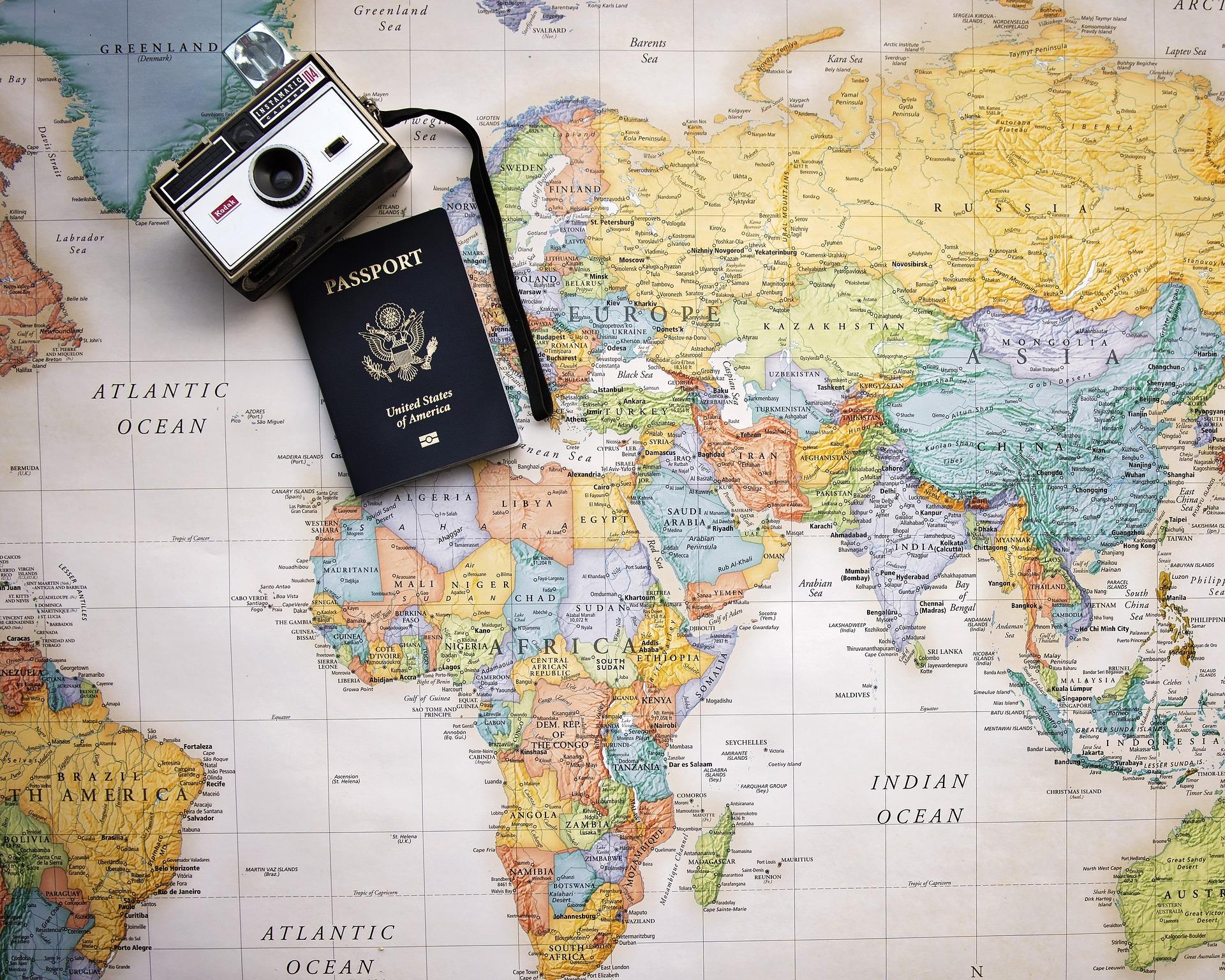
You have to prepare for a trip to an Arabic-speaking country, or anywhere else for that matter. You'll need to get a visa if you want to study in Arab countries. (Source: Pamjpat) There are a lot of formalities before you can move to an Arabic speaking country. There’s one thing that most Arabic-speaking countries tend to have in common: you need to pay for your classes and request a student visa or a residency permit.
12.3% of students in the middle east going to university in the United Arab Emirates (UAE) as opposed to the 8.5% going to Jordan.
The best destinations for learning to speak Arabic are probably Egypt, Jordan, or the UAE. Why? The Arabic spoken in these regions is closest to Modern Standard Arabic, the literary form of Arabic which is understood by the majority of Arabic speakers. For example, Moroccan and Tunisian Arabic have been influenced Berber and is hugely different from that of the Mashreq people in the UAE, whose mother tongue is a dialect of Arabic known as Levantine. Levantine Arabic is the dialect closest to Egyptian Arabic. Anyway, let’s get back to the topic in hand, to study in Dubai, Amman, or Cairo, you’ll need to get a student visa. To study in Cairo, you’ll first need a tourist visa, which costs $15. Afterwards, you can demand an extension to a student visa once you’re there.Would you like to study in Dubai? The student visa, which is valid for 12 months, can cost up to £600 and universities have tuition fees of up to £15,000. You’ll also need sponsorship from the university and a letter of recommendation. Keep in mind that the cost of living in Dubai is very high. Many students need a loan to cover the costs. You’ll then need medical insurance that’s valid in the United Arab Emirates. If you can’t borrow money from the bank, you may be eligible for a bursary (if you’ve got good grades). Funding agencies include:
Royal families
The host university
The UK university
You could always ask for a scholarship from the Qatar University including the student visa, return flights, and lodging. Keep in mind that you can request a scholarship in Saudi Arabia, the United Arab Emirates, Egypt, or Morocco, even though the cost of living in North Africa is lower than elsewhere in the world.
10 Tips for Studying in Arabic-speaking Countries
Whether you’re studying in the Persian Gulf or North Africa, there are always risks.Dubai, in the United Arab Emirates, is famous for being one of the best destinations to learn Arabic. (Source: enjoytheworld) The Middle East and North Africa often get bad press following the Arab Spring uprisings against Ben Ali, Mubarak, Gaddafi, and Bashar al-Assad and the conflicts in certain countries as well as terrorism. Generally speaking, the areas in the Arab League that should be avoided are:

Border regions
Inland regions in Algeria
Libya
Western Egypt
Syria
Irak
Somalia
The safest countries include Morocco, the United Arab Emirates, Oman, Jordan, Eastern Egypt, and Lebanon. Before you leave, we recommend you get intensive Arabic lessons from a private tutor so that you can get around once you’re there. English and French speakers are in luck as in Lebanon and North Africa as there are populations who speak these languages. That said, you should still learn Arabic for everyday use. Here’s our advice for going to an Arabic-speaking country:
Getting Arabic lessons
Finding out which cities to study Arabic
Checking the alert level for the country
Requesting a student visa
Applying for a scholarship
Looking for accommodation
Buying flights
Getting health insurance
Getting all the essential documents (passport, visa, driving licence, admission letters, etc.)
Contacting British authorities
Learning about local customs
Spending time in an Arabic-speaking country will make you aware of how much Western Europe and Arabic culture have in common.
Choosing a University in an Arabic-speaking Country
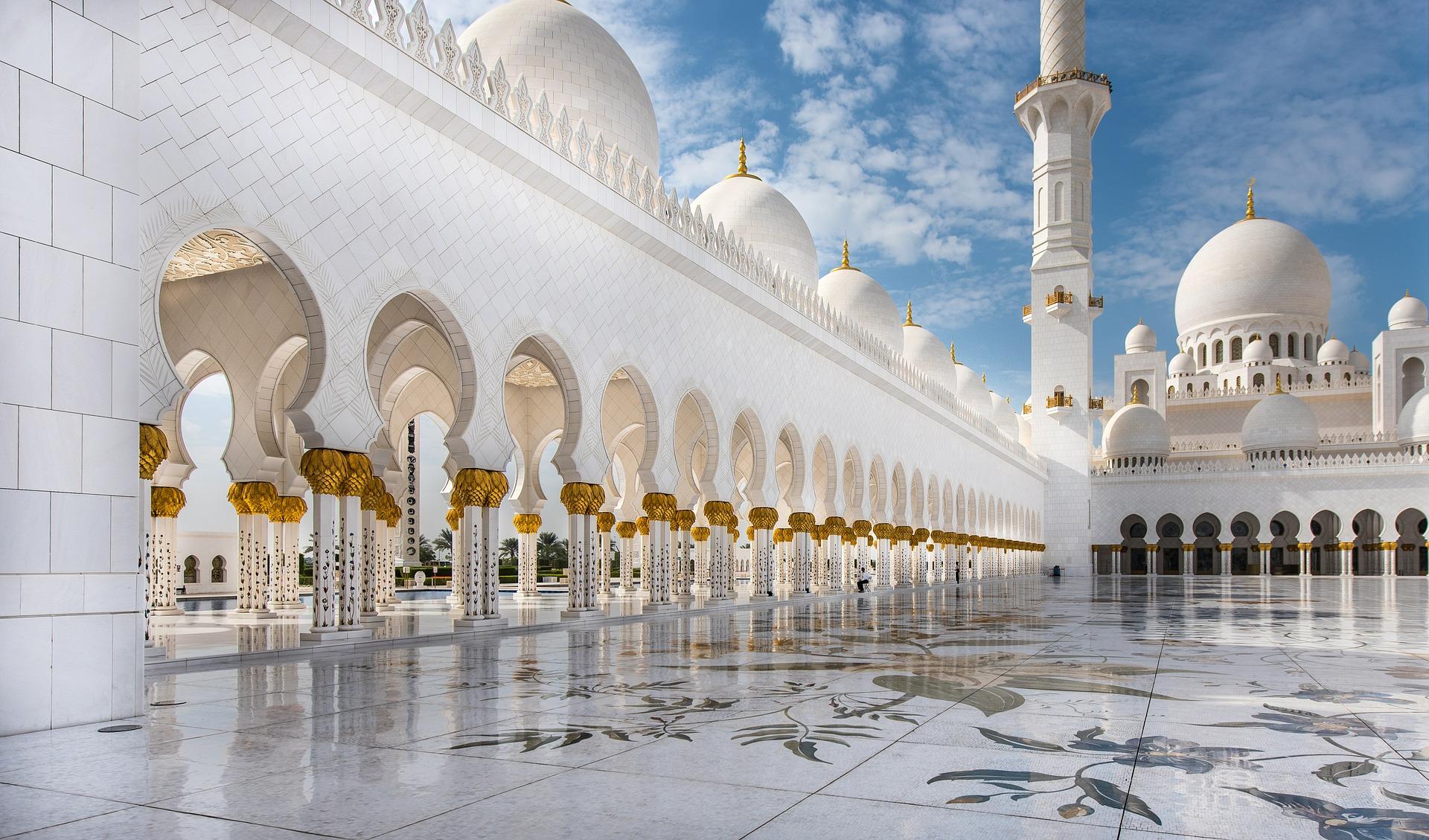
Morocco, Jordan, and the United Arab Emirates are the three safest Arabic-speaking countries you can study in. A year at a university in Dubai could really help your career. (Source: Free-Photos) Almost nobody goes to study in Mogadishu, Baghdad, or Damascus. Students tend to go to Doha, Abu Dhabi, or Amman. Abu Dhabi is the only place in the world to have a neighbourhood dedicated to university study. You’ll need to think of certain things before you start applying to different universities:

Your level in Arabic
Budget
Career options
Safety in the country
The type of Arabic you want to learn (literary Arabic, Egyptian Arabic, standard Arabic, etc.)
The cost of living
Job opportunities
Living in certain countries isn’t ideal. For example, Saudi Arabia doesn’t have the best record when it comes to women’s rights. On the other hand, practising Muslims can study science with the best teachers in a Muslim school. You can also choose a school according to your level, too. In Dubai, Morocco, Tunisia, and Lebanon, university places are very competitive. If you are planning on studying in one of these universities, you’re going to have to work hard and get good results. Find great Arabic courses London now. Unfortunately, universities in Arab countries are also victims of socio-economic inequality. If you’re still interested, you’re going to have to really work for it and Before you go, you should consider learning some Arabic here in the UK with private tutors. On Superprof, you can get private tutorials, online Arabic course, or even group tutorials. One on one private tutorials offer the best in terms of tuition but also cost the most per hour. Online tutorials are cheaper as the tutor doesn't have to factor travel into their hourly rates. Group tutorials are the cheapest option as the cost is split between the students. However, this means you won't get the lessons tailored to you as you would in the other two options.
Islamic Holidays and Celebrations: Guide to Muslim Festivals Islamic celebrations are widely celebrated because of their large and growing global Muslim population and religious significance, especially in terms of fostering unity among the community, cultivating spiritual growth, and commemorating key events that shaped the history of Islam. The two major Islamic festivals are Eid al-Fitr, […]
How to Greet Someone in Arabic? With any language you choose to learn, certain fundamental building blocks are necessary to be able to hold simple conversations. Simple politenesses and courtesies make the conversation flow and enable you to communicate effectively with native speakers of the language. Arabic is no different in this way, but as […]
Advice for visiting Marrakech “The gladdest moment in human life, methinks, is a departure into unknown lands.” - Sir Richard Burton Morocco is becoming more and more popular. Between 2004 and 2018, the number of international flights to Morocco has doubled. This is, in part, thanks to some of the country’s larger cities becoming more […]
Planning a Trip to Morocco “Morocco is such a beautiful place. It's incredibly beautiful. And also it is captivating place because for a writer, you feel that you make impact. I mean, when I write something in the press, the day after in the fish market, people will be discussing it.” - Fatema Mernissi Morocco […]
The Beauty Of Arabic Culture Learning about the Arab world is about more than just getting on a plane and visiting a different land. It is also about understanding and noticing how integrated Arab culture is with our daily lives and being open to learning about new and different customs than our own. With respect, […]
How to Read, Write and Speak Literary Arabic Literary Arabic, spoken Arabic dialects, Classical Arabic, Modern Standard Arabic…just how many different versions of Arabic are there? Isn’t there just one version of the Arabic language? Unfortunately, not quite. Arabic is a language that has deep links with Islam, and one that can trace its history […]
Is Learning Arabic Difficult? And How Long Does It Take? You’ll often hear how difficult it is to learn Arabic for Europeans or North Americans. The Arabic alphabet, byzantine grammar, and pronunciation are all radically different from our Romance and Germanic roots, not to mention the Arabic grammar and how to pronoun some words and […]
A Guide to Starting Arabic Teaching Jobs Are you a native Arabic, from a country where Arabic is the official language? If Arabic is your mother tongue, then why seek a job? Yours may already be chosen: teaching the Arabic language in the US! What is the level of education required to become an Arabic […]
What Are the Different Ways of Learning Arabic? Arabic is a rich and diverse language that is an official language in 26 countries, and is spoken by almost 300 million native speakers worldwide. It is true, however, that for English native speakers, Arabic is substantially more difficult to learn than the European languages of Spanish, […]