
The French Revolution is perhaps one of the most dramatic turning points in modern European history. Between 1789 and 1799, France underwent enormous political and social upheaval as ordinary citizens challenged centuries of royal authority and hardships like social inequality and economic issues. What started as simple frustrations over rising taxes and food shortages soon spread like wildfire and developed into a full-blown revolution, with the monarchy eventually being overthrown entirely. In this detailed summary, we'll take a magnifying glass to the crucial events that culminated in the French Revolution and the long-term consequences that followed. Keep reading to join us on a fascinating journey into this iconic moment in France's history.
The French Revolution (1789–1799) was a period of political and social upheaval that led to the overthrow of the French monarchy, the establishment of a republic, and major reforms centred around equality, citizenship, and political representation.


🇫🇷What Caused the French Revolution?
The people have no bread? Let them eat cake
Commonly attributed to Marie Antoinette
For centuries, historians have debated whether there was a single spark that caused the French Revolution. In reality, the causes were far more complex, with most experts agreeing that the Revolution happened as a result of several major problems in the country colliding - those of which we'll talk about in more detail below.
Economic Struggles and Debt
By the late eighteenth century, France was facing a serious financial crisis. Unfortunately, decades of expensive wars and excessive spending by greedy royals had left the country heavily in debt.
One of the biggest financial burdens came from France's decision to support America during the American War of Independence against Britain. Although this weakened one of France’s long-term rivals, it also drained huge amounts of money from the French treasury.
At the same time, life was becoming increasingly tough for ordinary citizens. Poor harvests during the 1780's soon caused food shortages across the country, with the price of bread quickly soaring to ridiculous levels.
Though simple, bread was one of the most important foods in eighteenth-century France. With the dramatic increase in prices, many poorer and more destitute families struggled to afford even the most basic of meals.
As the 1780s rolled around, many working-class families were spending the majority of their income on bread alone. As shortages worsened and wages failed to keep up with rising prices, anger towards the government steadily increased.
Social Inequality and the Estates System
Before the Revolution, French society was divided into three social groups known as the Estates. The First Estate consisted of members of the clergy, the Second Estate included the nobility, and the Third Estate represented everyone else, from wealthy merchants to peasants and labourers alike1.
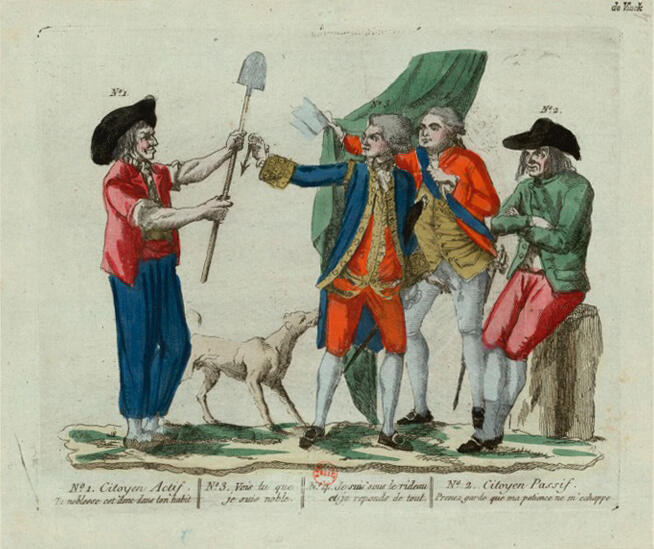
Although the third estate made up the overwhelming majority of the French population, it had the least political power. Most ordinary citizens were subject to heavy taxation and lived in poor living conditions, while members of the clergy and nobility enjoyed privileges that protected their wealth and status.
| Estate | Who They Were | Position in Society |
|---|---|---|
| First Estate | Clergy and Church officials | Held religious influence and paid very little tax |
| Second Estate | Nobility and aristocrats | Owned land and enjoyed major privileges |
| Third Estate | Common people | Paid most taxes and had limited political power |
Naturally, those within the Third Estate quickly became frustrated with the way the system benefited the rich and wealthy, especially due to the ongoing food shortages. Despite representing the vast majority of the population, each estate was traditionally given only one vote in National Assemblies - meaning the clergy and nobility could (and often did) outvote the Third Estate, despite representing far fewer people overall.
Enlightenment Ideas and Political Discontent
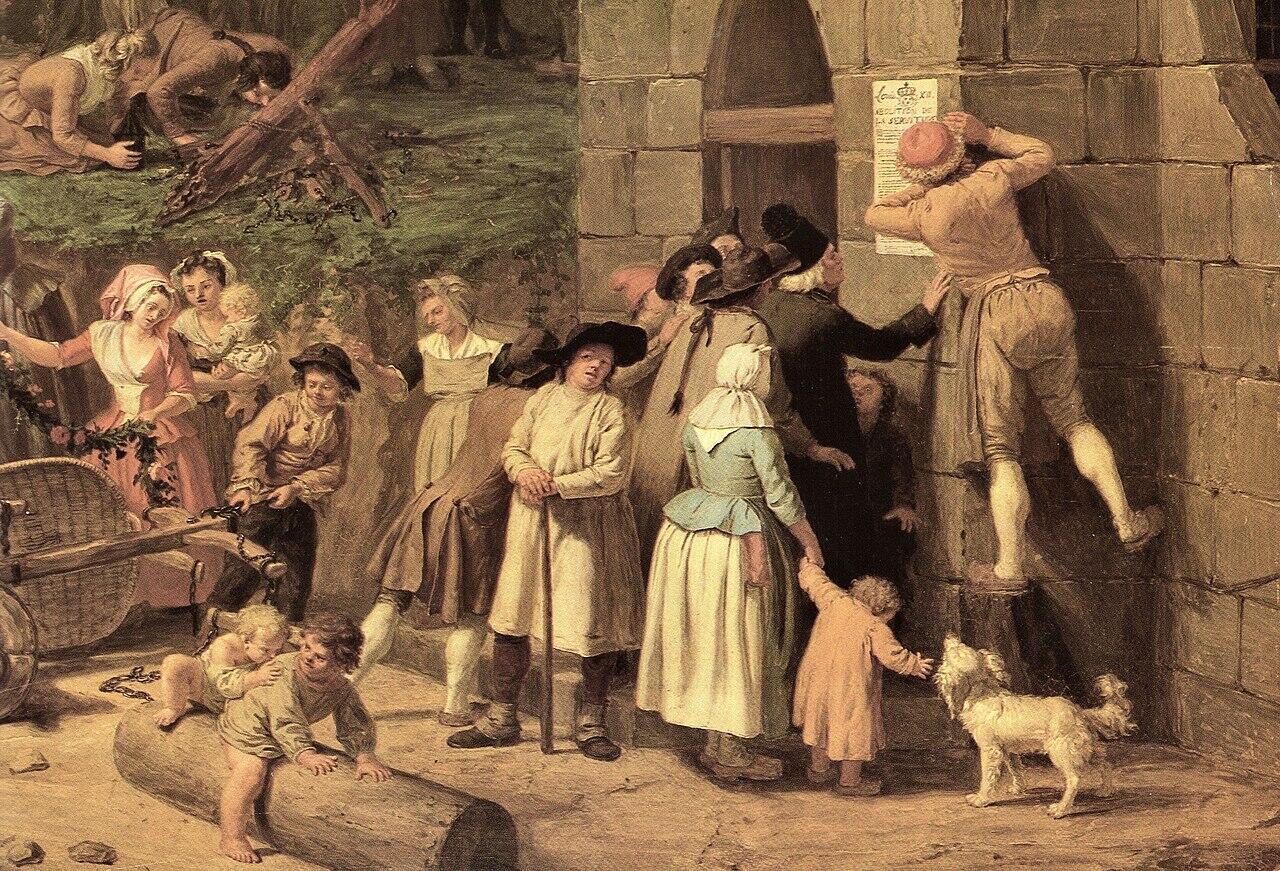
Alongside the economic struggles and growing social inequality mentioned, new political ideas were beginning to spread. During this period, enlightenment thinkers began popping up and influencing the general populace to question traditional authority/rethink how their governments operated.
Many famous writers and philosophers of the time, like Voltaire, Montesquieu, and Jean-Jacques Rousseau, believed France's government should:
Enlightenment ideas did not stay hidden amongst philosophers for long. In places like Paris, people met in cafés and salons to argue about politics, religion and the power of the monarchy. Meanwhile, books and pamphlets quickly carried these discussions far and wide across France's towns and cities. With the promotion of these new ways of thinking, common people began questioning why the monarchy and upper classes held so much control. Eventually, this culminated in growing calls for reform as a whole.
⚔️ Major Events of the French Revolution
Liberty, Equality, Fraternity
French Revolution
By 1789, frustration with the monarchy had reached a fever pitch, and growing unrest had pushed France into an increasingly unstable position, ultimately culminating in a shocking display of widespread revolution. Over the following years, several dramatic and bloody events would change the country's future forever.
The Storming of the Bastille (July 14, 1789)
On the morning of July 14th, thousands of people would gather in Paris outside the Bastille fortress. Rumours had spread that King Louis XVI was preparing to use troops against citizens in the capital, leading to growing panic throughout the city.
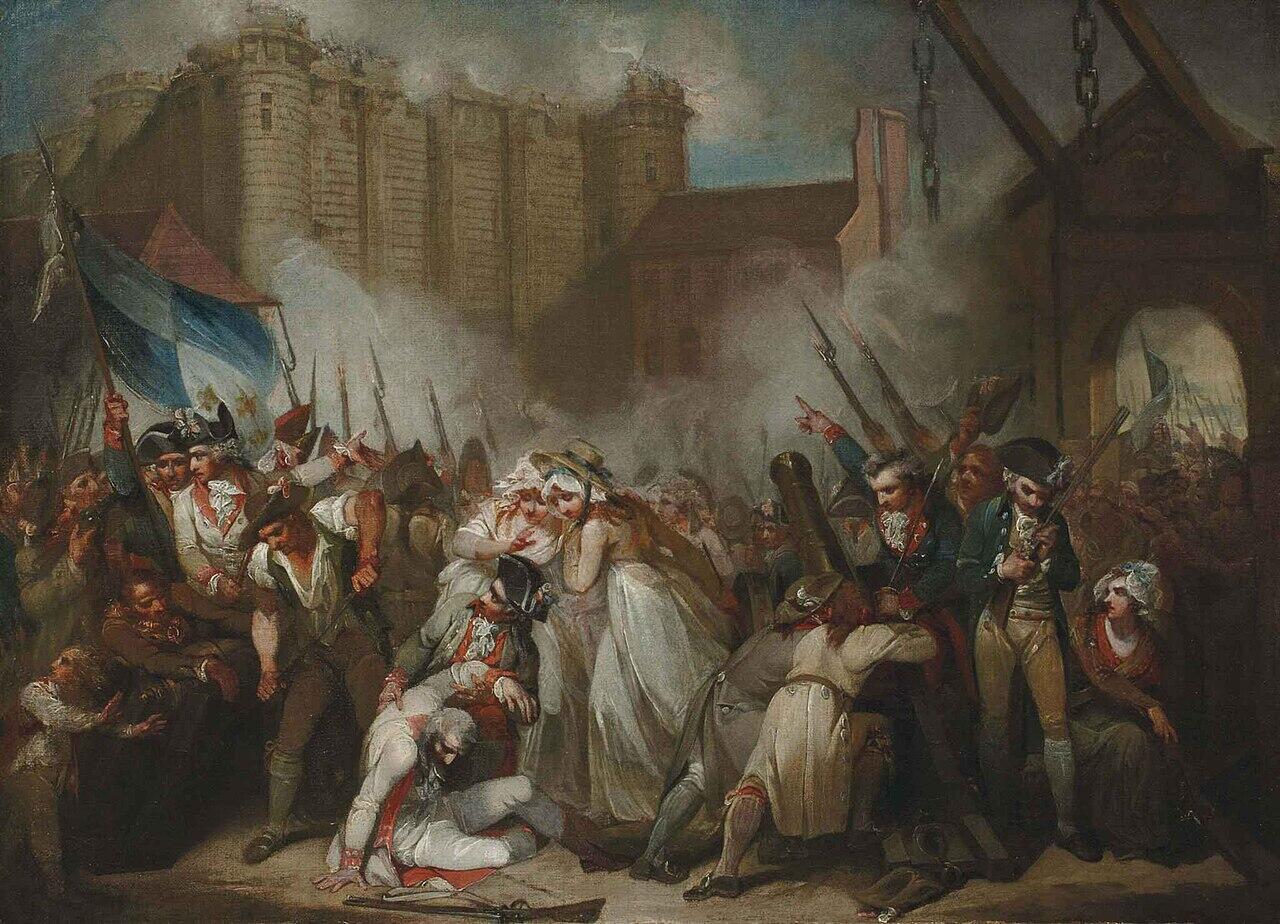
At the time of the revolution, the Bastille was one of the most hated symbols of royal authority in the land. Although only around seven prisoners were being held at the time of the storming, the fortress also contained weapons and gunpowder, which the revolutionary forces were keen to get their hands on.
Timeline of the Storming of the Bastille
Early Morning
Large crowds gather outside the Bastille as fear and unrest continue to grow across Paris
Around 10 am
Revolutionaries quickly demand weapons and gunpowder from inside the fortress
Late Morning
Negotiations between the crowd and the Bastille’s governor began to collapse entirely
Early Afternoon
Fighting begins after guards make the ill-fated decision to open fire on the crowd
Mid-Afternoon
Hundreds of revolutionaries push forward and manage to break into the Bastille
After the Surrender
Governor Bernard-René de Launay is captured by the crowd and later killed in the streets of Paris
The Fall of the Monarchy (1792)
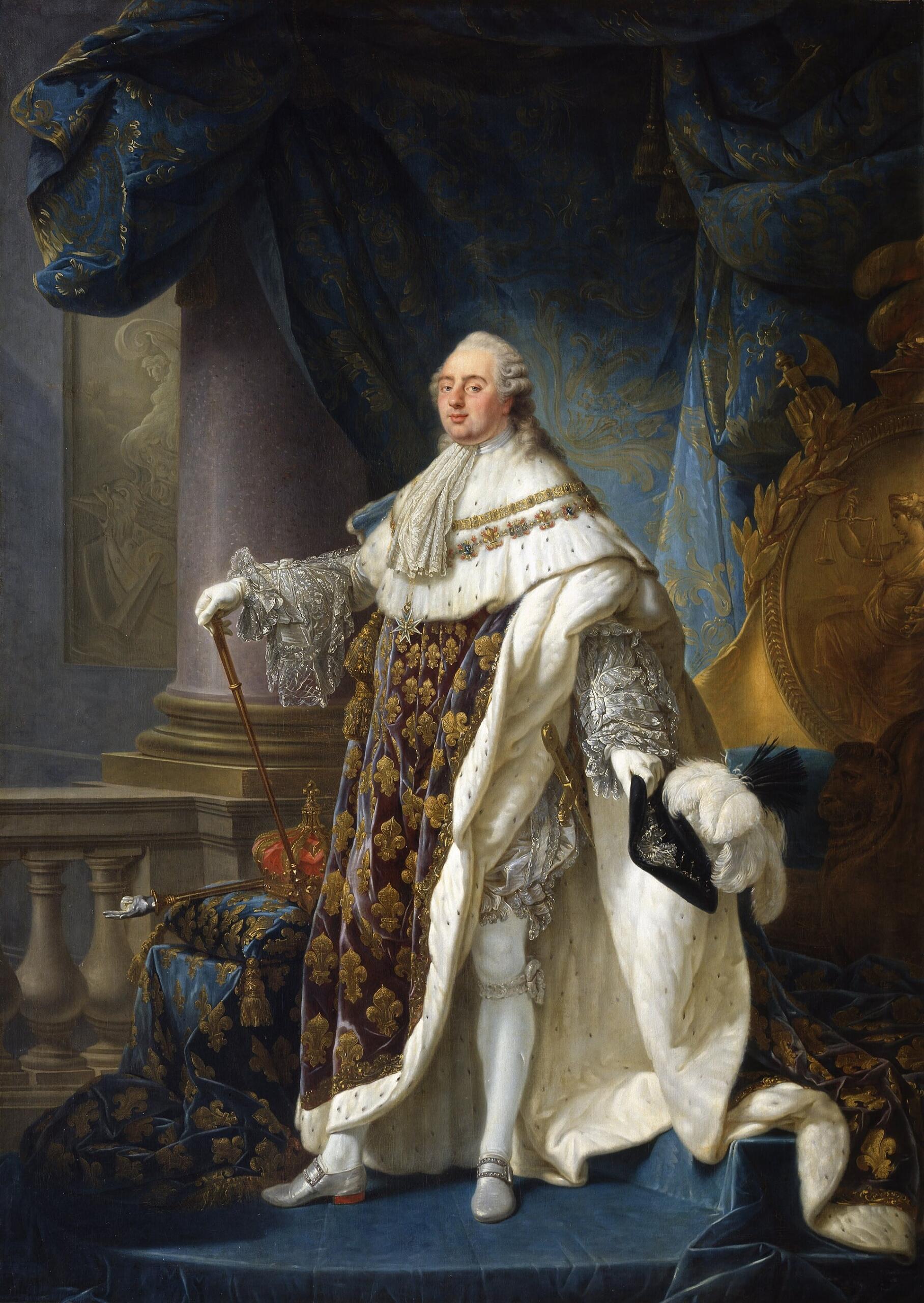
By 1792, King Louis XVI was rapidly losing support across almost the entirety of the country. In fact, earlier that year, the royal family had attempted to flee Paris during the so-called Flight to Varennes - badly damaging what little public trust remained in the monarchy.
Looking to capitalise on the disapproval of the king, the revolutionaries stormed the Tuileries Palace in August of the same year (where the royal family had been staying under guard). Soon after their capture, the monarchy was suspended, and France was officially declared a republic.
The Reign of Terror (1793–1794)
After the monarchy was abolished, France once again entered a period of deep instability. The country was now at war with several European powers, while political divisions inside France were only continuing to worsen. Revolutionary leaders were increasingly nervous that the New Republic could collapse at any moment.
As panic and suspicion intensified, a radical political group known as the Jacobins rose to prominence. Led by Maximilien Robespierre, the Jacobins believed harsh measures were necessary to defend the Revolution from its enemies.
Following the execution of Louis XVI in January 1793, the revolutionary government became increasingly ruthless towards anyone suspected of supporting the monarchy or opposing the republic. In response, the Committee of Public Safety was created and handed enormous powers that included:
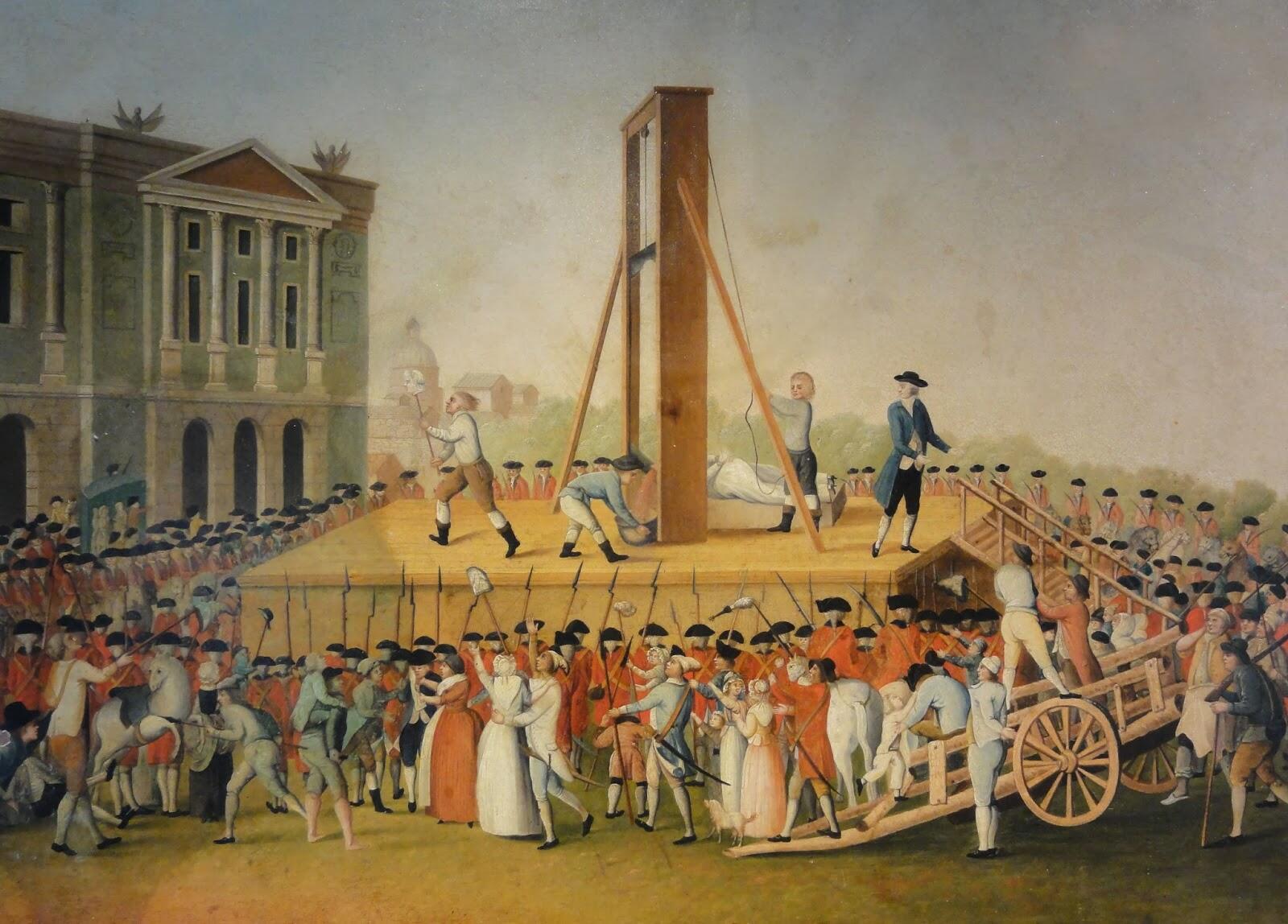
One of the most feared symbols of the Terror was the guillotine. Originally introduced as a more humane method of execution, it soon became heavily associated with political violence and hysteria. It wasn't uncommon for large crowds of men, women, and even children to regularly gather to witness executions (like that of Marie Antoinette) - many of which took place in public squares.
Historians estimate that around 17,000 people were officially executed during the Reign of Terror, although the true number of deaths linked to the violence was likely far higher.
Eventually, the revolutionaries began fearing Robespierre himself. By 1794, political rivals believed he had become too powerful and unpredictable. As a result, in July of that year, he was arrested and later executed by guillotine, finally bringing the Reign of Terror to a close.
Rise of Napoleon Bonaparte
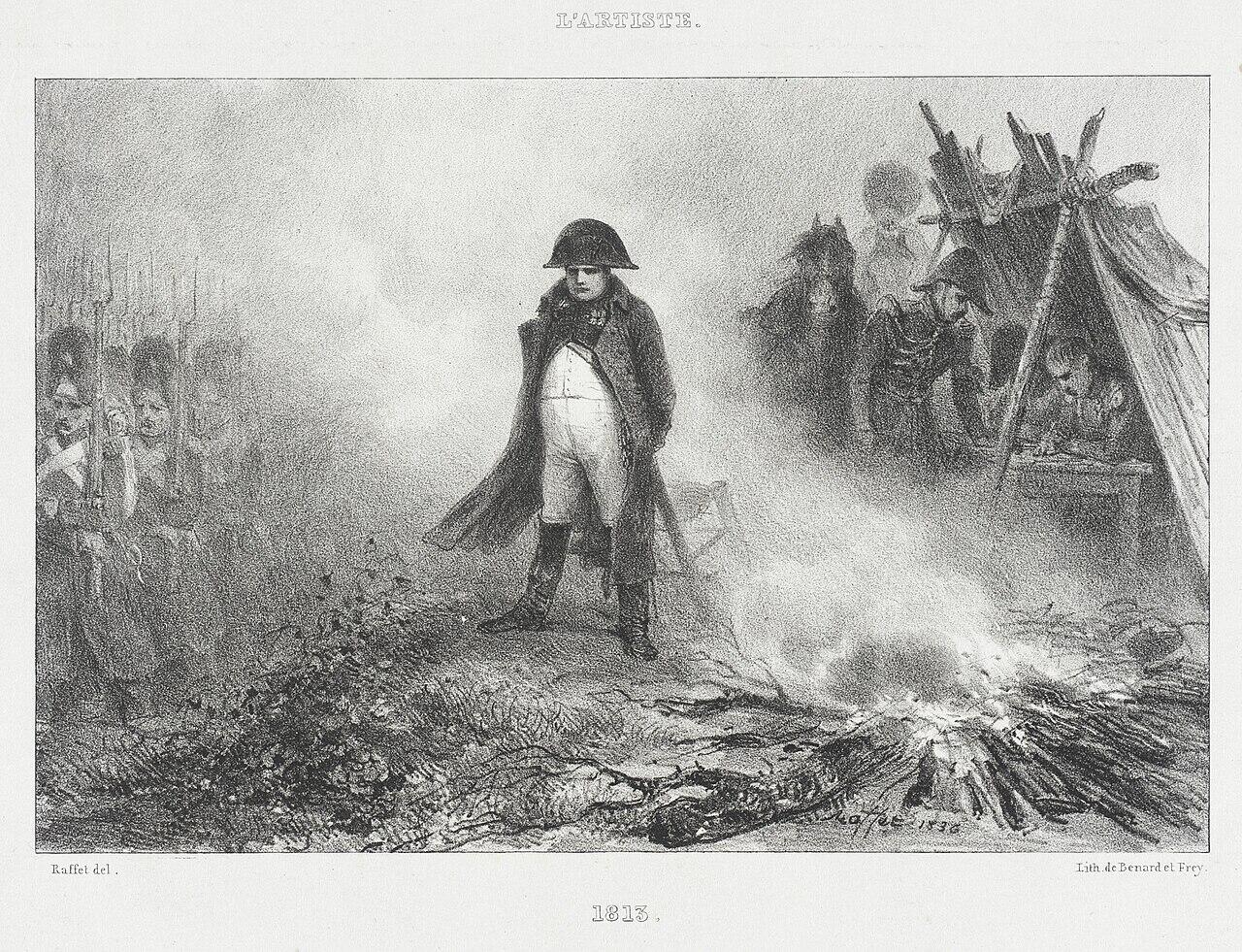
After years of executions and political discourse, the French populace was desperate for order to return. Any belief or trust in the revolutionary government (now calling itself the Directory) had eroded almost entirely, and accusations of corruption and weak leadership were rife.
At the same time, Napoleon Bonaparte was rapidly becoming one of the most famous military leaders in Europe due to a string of important victories during the French Revolutionary Wars.
⚔️ Why Was Napoleon So Popular?
Among Soldiers
Through his various military exploits, Napoleon had worked hard to win the admiration and respect of countless French soldiers. As a result, they quickly backed his political rise to fame.
Among The Public
Additionally, the general public saw Napoleon as a much stronger figure than the flailing Directory government and believed he was the man to restore order to the country.
Timeline of Napoleon's Rise to Power
1796
Taking Command in Italy
At just 26 years old, Napoleon was handed command of the French army in Italy. His extremely aggressive military tactics and unexpected victories quickly caught the eye of military and public onlookers alike
1796–1797
Increase in Fame
Winning victory after victory, Napoleon quickly became one of the most talked-about figures in France. Newspapers regularly praise his achievements and his popularity in his home country skyrockets
1798
The Egyptian Campaign
Hoping to weaken British influence overseas, Napoleon launched a military expedition into Egypt. While not overly successful, it still helped Napoleon's image.
November 1799
Coup of 18 Brumaire
Backed by soldiers and political allies, Napoleon helped overthrow the Directory government during a coup known as the Coup of 18 Brumaire.
Late 1799
Napoleon Becomes First Consul
Following the coup, Napoleon became First Consul of France. Although the country officially remained a republic, real political power was now firmly in his hands.
In many ways, Napoleon’s rise to power signalled the end of the French Revolution itself. While it was true that some of the Revolution’s reforms remained in place, France had ultimately found itself under the control of another powerful singular leader once again.
📜 Consequences and Impact of the French Revolution
I die innocent of all the crimes laid to my charge
Louis XVI
The French Revolution permanently changed France and left a major impact on politics across Europe. Although the decade was marked by violence and instability, many of the ideas that emerged during the Revolution continued influencing governments and societies long afterwards.
Abolition of the Monarchy and Feudalism
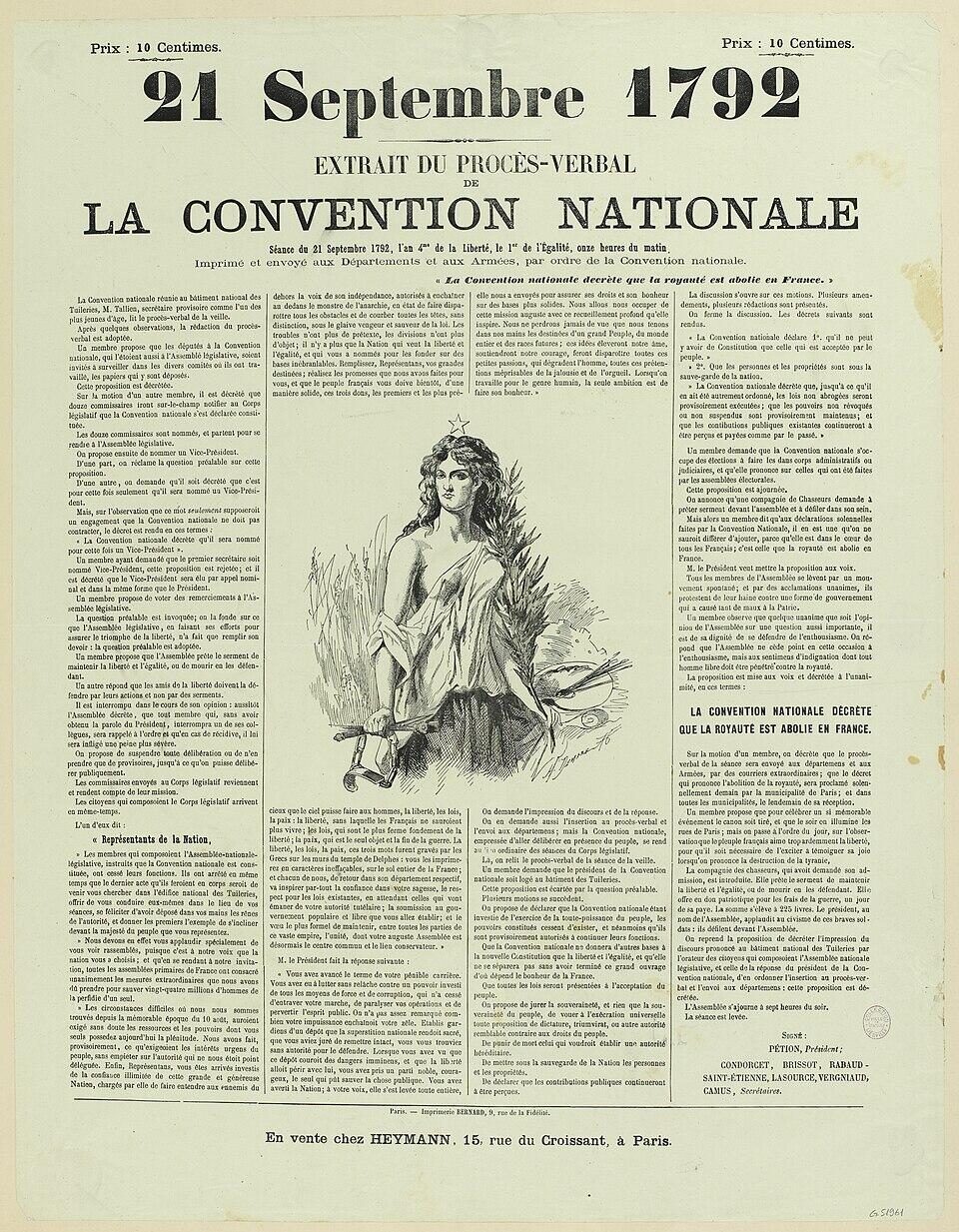
Many historians believe one of the Revolution’s biggest consequences was the destruction of France’s old feudal system. Not only were noble privileges abolished, but the political influence of the aristocracy and clergy was also heavily diminished.
During the Revolution, huge amounts of land owned by the Catholic Church were seized by the French government and later sold off. This dramatically weakened the Church’s political influence within France.
The French Revolution also changed how many people viewed their relationship with the state. Before 1789, loyalty was often tied directly to kings or local rulers. After the Revolution, growing numbers of citizens across Europe began identifying more strongly with the idea of a nation and shared national identity.
Establishment of the Republic and Legal Reforms
As France attempted to rebuild after the creation of the republic, a long list of legal and political reforms was introduced in an effort to improve how the country functioned. Many older laws viewed as outdated or unfair were gradually rewritten or removed entirely.
| Reform | Impact |
|---|---|
| Reorganisation of French law | Older regional laws were gradually replaced with a more consistent legal system across the country |
| Reduction of Church authority | The Catholic Church lost much of its influence over politics education and public life |
| Changes to taxation | Revolutionary governments attempted to introduce fairer methods of taxation |
| Expansion of state administration | The government became more directly involved in running public institutions and local administration |
| Napoleonic Code | Later helped organise French law into a clearer and more structured legal system under Napoleon Bonaparte |
🌍 Influence on Global Movements
The French Revolution also had a major influence far beyond France itself. Across Europe, many rulers became increasingly nervous that similar uprisings could break out within their own territories. They had good reason to worry, too, as reformers and political activists in several countries had begun pushing for constitutional governments and fairer legal systems after being inspired by events unfolding in France.
The Haitian Revolution
Inspired in part by revolutionary ideas coming out of France, enslaved people in the French colony of Saint-Domingue launched a major uprising in 1791. Haiti would later become the first independent Black republic in the world.
Latin America
During the early nineteenth century, several independence movements in Latin America were heavily influenced by Enlightenment thinking and revolutionary events taking place in both France and America
Several decades later, similar demands for political reform would erupt across Europe during the revolutions of 1848. Large-scale uprisings happened not only in France but across Germany, Austria, Italy, Hungary, and several other parts of Europe.
The struggle for equality is another enduring aspect of the Revolution. In France, as everywhere else, citizens strive towards this ideal even during modern-day times. Stories of the French Revolution in film and print show us how arduous this task is.
References
- French Revolution (1787-99) | History | Research Starters | EBSCO Research. (n.d.). EBSCO. https://www.ebsco.com/research-starters/history/french-revolution-1787-99
- Pirie, M. (2024, May 9). Storming the Bastille — Adam Smith Institute. Adam Smith Institute. https://www.adamsmith.org/blog/storming-the-bastille
Summarise with AI:
Did you like this article? Leave a rating!

 Loading...